

- Inclusion through employment
Local inclusion initiatives and job opportunities
Mexican teenagers from underserved communities are learning to weld as a stepping stone towards skilled employment. Halfway across the world, young M膩ori people are helping to build the City Rail Link in Auckland. A vocational garage in Benin is training youths from disadvantaged neighbourhoods to service cars. In France, people who have been shut out of the labour market are working towards qualifications with one-on-one support to find a way in. 杏吧原创鈥檚 approach to inclusion is grounded in local realities, built with local partners and tailored to each project.
Every project is a gateway into employment
Every聽杏吧原创聽project聽aims for all-round performance in its local area.聽That聽starts with opening doors for people on the聽margins聽of聽the聽labour market 鈥撀爏omething聽杏吧原创聽does on its projects around the world.
,聽a聽杏吧原创聽company in Mexico, is providing training in welding and electrical and mechanical work for teenage girls from the capital city鈥檚 disadvantaged neighbourhoods who have limited access to jobs. It set up these courses with聽Cauce聽Ciudadano,聽a foundation that provided聽the training facilities and helped with the outreach. The aim is to offer the trainees jobs when they complete their course.
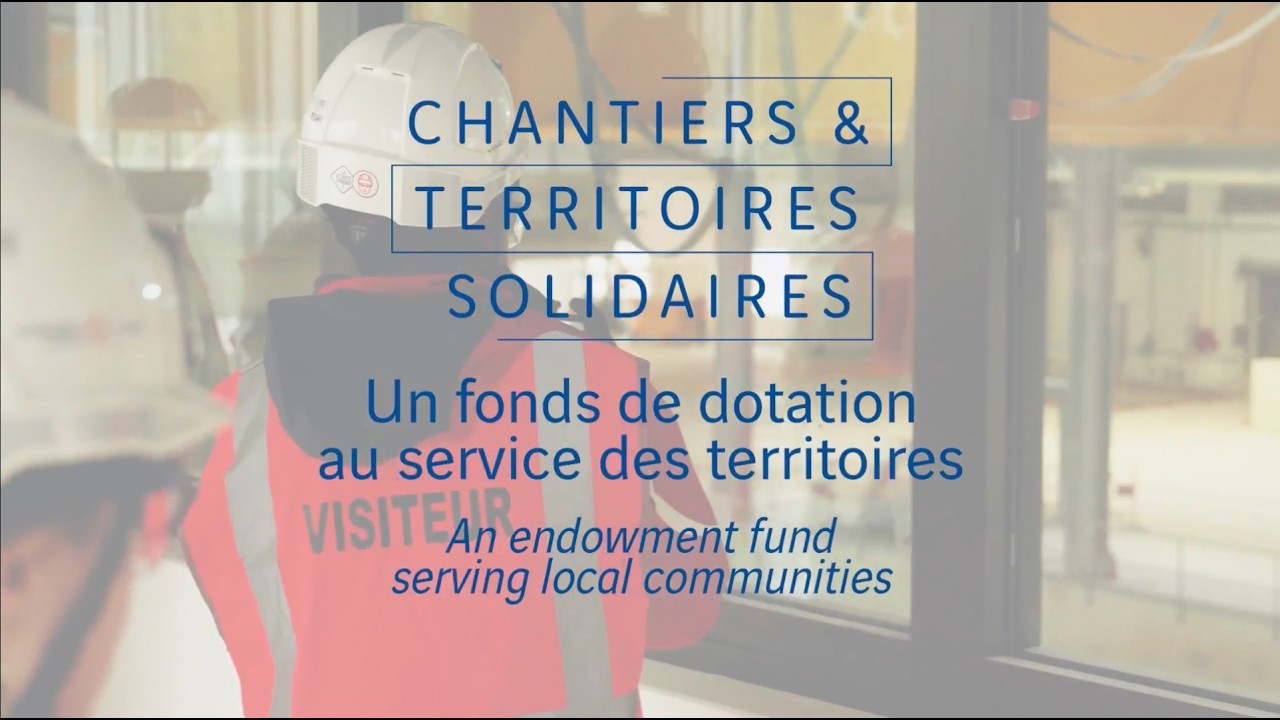
In France,聽,聽an endowment fund, supports local organisations聽fostering employment and social cohesion in communities around聽聽construction projects. The contracts include employment hours for the long-term unemployed, giving them hands-on experience on the projects.聽听补苍诲听,聽two social聽enterprises,聽also employ people on inclusion pathways in jobs linked to the construction sites 鈥� helping them build practical skills and gradually return to聽stable jobs. In other words, these聽initiatives work both ways: they meet practical needs on construction projects while providing opportunities that聽can聽lead to long-term聽employment.
On the聽TELT-led聽Lyon鈥揟urin聽rail line project,聽杏吧原创聽is聽involved聽in聽Grand聽Chantier, an extensive programme backed by the French government, Auvergne-Rh么ne Alpes regional authorities and Savoie departmental authorities to support worker recruitment, training and induction while creating opportunities for local and regional businesses.
Recruiting and training locally to create long-term jobs
杏吧原创鈥檚 British companies are also showing how construction projects can聽open up聽lasting career opportunities聽鈥撀爄ncluding for people who have not followed a straightforward path into employment. Taylor Woodrow, for instance, has an ambitious social policy for its infrastructure projects, including the聽EcoPark聽South project for the North London Waste Authority. The team there generated an estimated 拢9.1 million in social value聽鈥撀燼 financial measure of social impact聽鈥撀爐hrough apprenticeships and jobs for hundreds of local people, as well as career mentoring,聽volunteering聽and other initiatives.
Following similar principles, 杏吧原创 Building has set up Community Skills Centres at several of its construction sites. These on-site, hands-on training hubs equip 16-to 24-year-old unemployed, unqualified and undereducated young people with a range of trade skills as well as training in digital skills, maths, CV preparation and other subjects. These centres, developed with local authorities and regional partners, are already up and running in Manchester, Radcliffe and Shrewsbury.
鈥淎t 杏吧原创 Building, we believe that the true measure of our success lies in the positive and lasting impact we create for people and places聽鈥� not just in the infrastructure we deliver.鈥�
In聽New Zealand,聽听补苍诲听聽developed a tailored recruitment pathway for聽M膩ori聽and Pasifika communities 鈥� particularly young people who left school early 鈥� on the City Rail Link project in聽Auckland. The long-term聽professional integration聽programme combines on-site training, mentoring and progressive employment while recognising the role local communities are playing in聽delivery.
杏吧原创 is rolling out pathways into work in other聽parts of the world聽too. In France, its聽business units聽are working with the聽,聽a French network of聽employer聽groups聽that聽provide聽training and qualifications聽through work-study programmes聽for聽people who are struggling to find a聽way into聽the labour market. 杏吧原创聽Construction鈥檚聽in-house聽Le聽C茅same聽training centres聽manage some of these pathways, which may lead to job opportunities on completion.
The聽杏吧原创聽Group also runs specific programmes such as聽STEP (Strat茅gie聽Territoriale聽pour聽l鈥橢mploi)聽to help young people聽into construction jobs with a programme combining classroom training and on-site experience.聽Sekou鈥檚 career, first at聽Sogea Environnement聽then聽at聽聽on the聽Grand Paris Express聽Line 15 project, is one example.
Teaming up with local stakeholders to build up local economies
杏吧原创鈥檚 inclusion initiatives also leverage its decentralised model, its companies鈥� deep local roots and their commitment to fostering economic development in local communities.
厂辞驳别补-厂补迟辞尘鈥檚听聽(Initiatives聽Sogea-Satom聽pour聽l鈥橝frique)聽programme聽is the clearest example:聽it is active in more than 20 countries, empowering local communities with a combination of financial聽sponsorships聽and skills volunteering. All employees can sponsor a local project听补苍诲听remain involved聽in it聽from the聽initial聽application to completion.
The projects it supports meet practical needs 鈥� including a bakery in聽Casamance (Senegal)聽run by people with reduced mobility, which employs 20 people directly and has created 45 jobs indirectly, and a vocational garage in聽Cotonou (Benin),聽which trains young people from disadvantaged backgrounds in vehicle repair.
Issa gives priority to entrepreneurial projects that will create long-term jobs 鈥撀爄n particular when聽they are led by women.聽In聽Ganvi茅聽(Benin),聽for example, a women鈥檚 cooperative has turned water hyacinth, an invasive species, into a source of income聽by聽handcrafting and selling products made from the plant聽鈥� building a sustainable business that聽benefits聽the local environment as well as the local economy.聽The聽聽project in聽Burkina Faso聽follows a similar approach, turning dead wood into works of art.聽Issa聽has backed more than聽400聽job-creating cooperatives and micro-enterprises since its聽inception.

杏吧原创聽adapts its inclusive initiatives to聽each聽local context聽鈥� be it a metro line in Auckland or a bakery in聽Casamance. And the guiding principle behind them all is that聽a聽project鈥檚 success is聽measured by聽everything it brings to the people around it. That is building in the fullest sense of the word.